The McLaren Formula 1 car is engineered for speed measured in milliseconds, where every surface is designed to cut air with ruthless efficiency. Translating that level of performance into paper feels almost contradictory — and that tension is exactly what makes this project compelling.
“TRANSLATING SPEED, PRECISION, AND ENGINEERING INTO PAPER TURNS PERFORMANCE INTO SOMETHING QUIET AND TACTILE.”
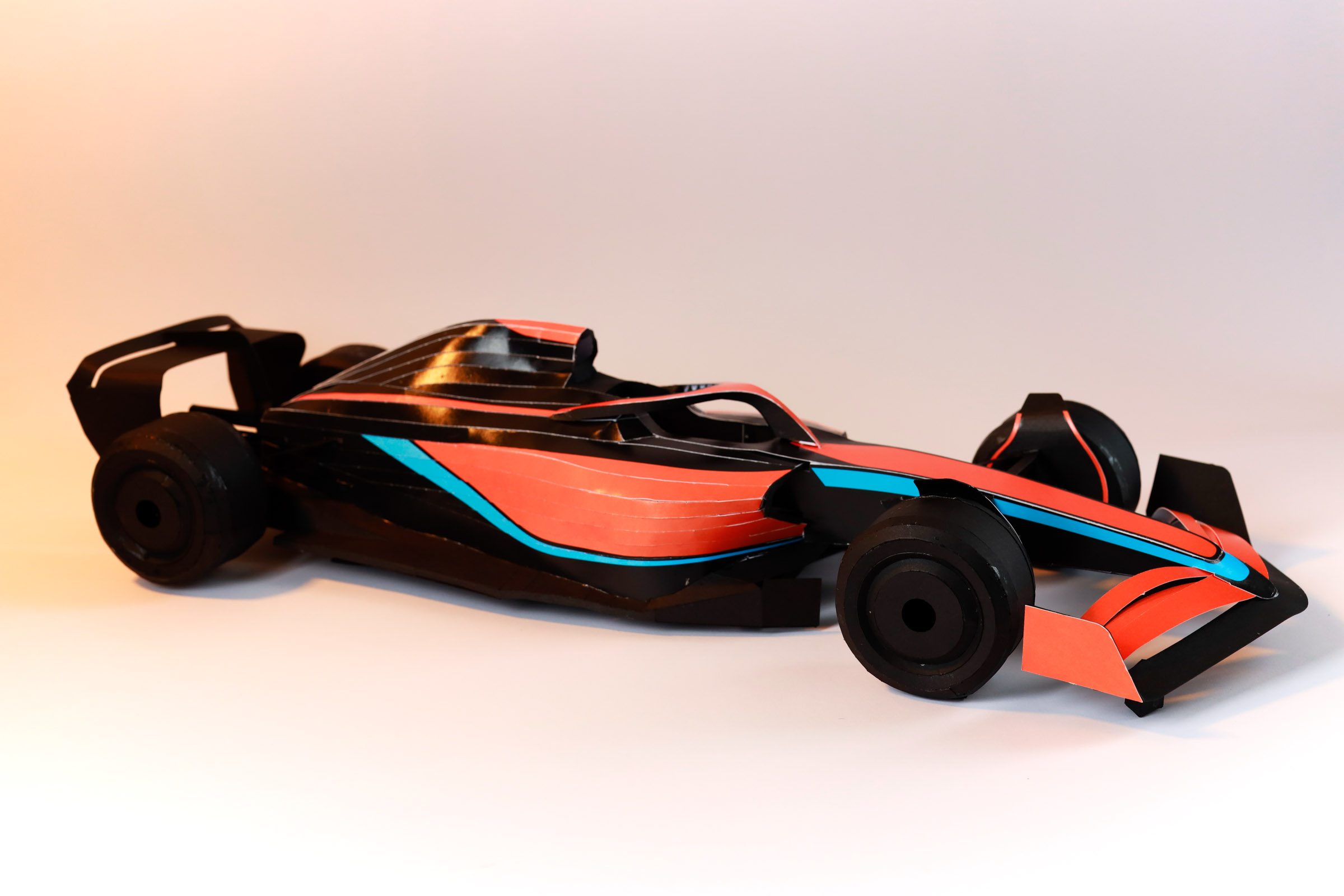
Origami artist Florian Weber approached the McLaren F1 car not as a machine, but as a system of forms, planes, and tensions. Working at miniature scale, he reduced one of motorsport’s most complex objects into a single paper sculpture, balancing structural integrity with visual precision.
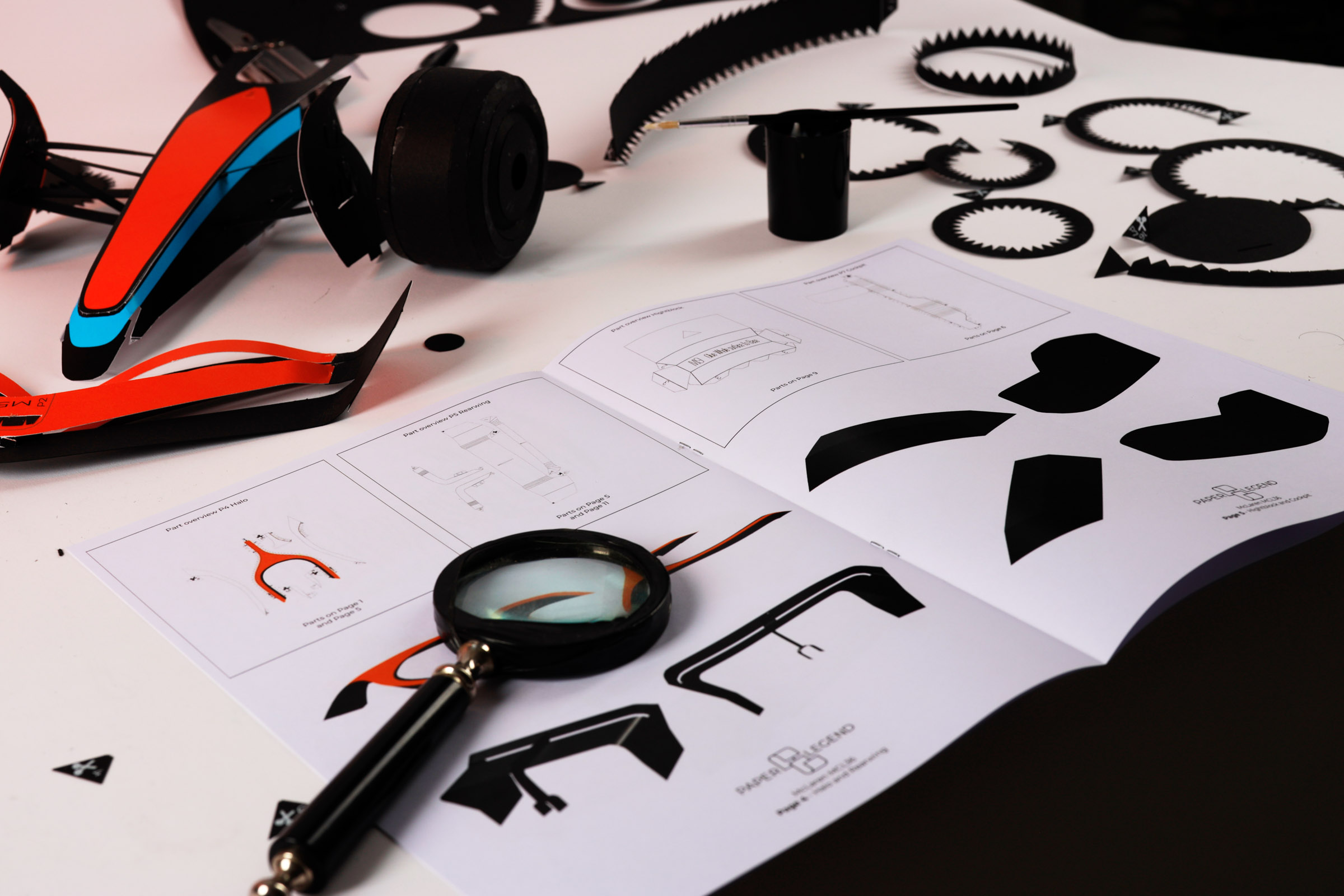
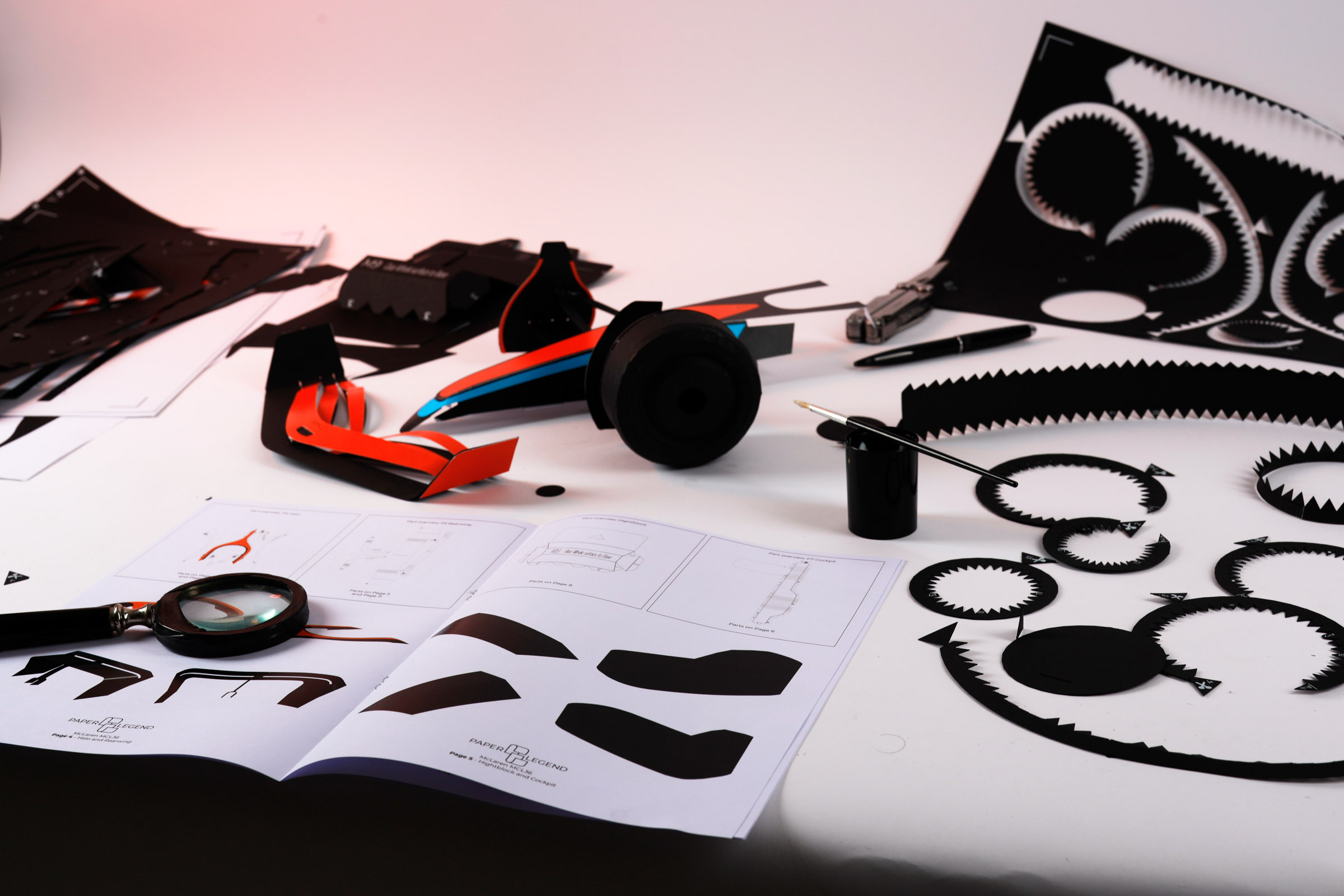
The process began with extensive visual research, studying reference photography, technical drawings, and race footage to understand how the car’s aerodynamic surfaces interact. Elements such as the front wing, side pods, and rear diffuser were analyzed not for function, but for how they could be folded, layered, and locked into place using paper alone.
“EVERY FOLD MIRRORS THE LOGIC OF FORMULA 1: REDUCE WEIGHT, MAXIMIZE EFFICIENCY, AND REFINE RELENTLESSLY.”
Rather than assembling multiple components, the sculpture relies on origami principles — folds, pressure, and geometry — to create volume and strength. Each crease becomes both a structural decision and an aesthetic one, echoing the real car’s obsession with weight reduction and material efficiency.
McLaren’s Formula 1 cars are often described as the product of obsessive iteration, where marginal gains compound into performance. That philosophy carries through here: subtle fold adjustments, repeated prototypes, and refinements at millimeter scale mirror the development cycles of the actual racing car.
“AT MINIATURE SCALE, THE MCLAREN F1 CAR BECOMES LESS A MACHINE AND MORE A SYSTEM OF PLANES, TENSION, AND RESTRAINT.”
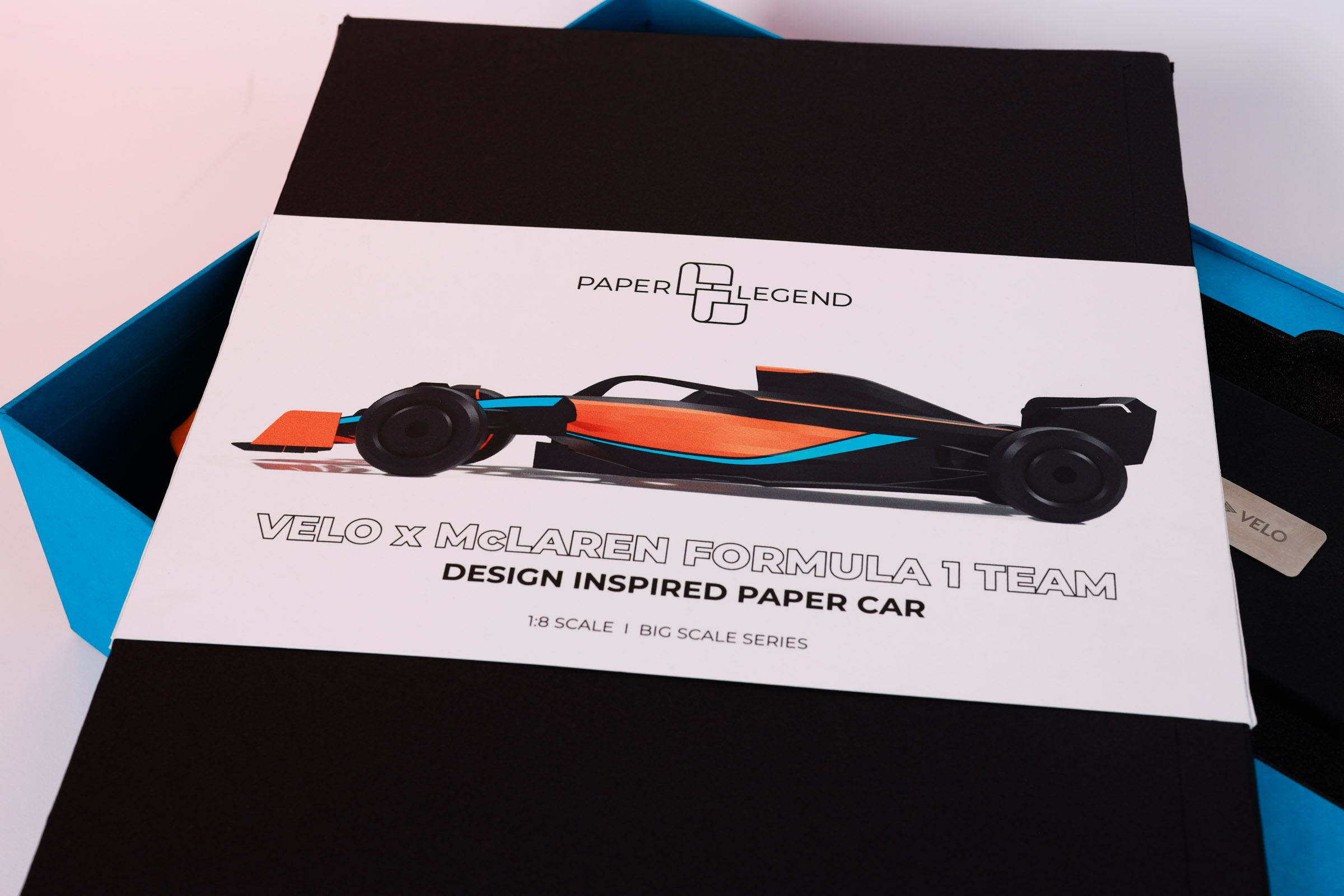
The finished piece captures the recognizable silhouette of a McLaren F1 machine — low, aggressive, and forward-leaning — while remaining unmistakably paper. The material is not disguised; instead, its fragility and restraint contrast with the violence and speed of Formula 1 racing.
“WHAT IS USUALLY EXPERIENCED AT 300 KM/H IS REIMAGINED HERE AS AN OBJECT THAT ASKS THE VIEWER TO SLOW DOWN.”
This project sits somewhere between sculpture, design study, and tribute. It reframes high-performance engineering as a quiet, tactile object, inviting the viewer to slow down and examine a machine usually experienced only at 300 km/h.
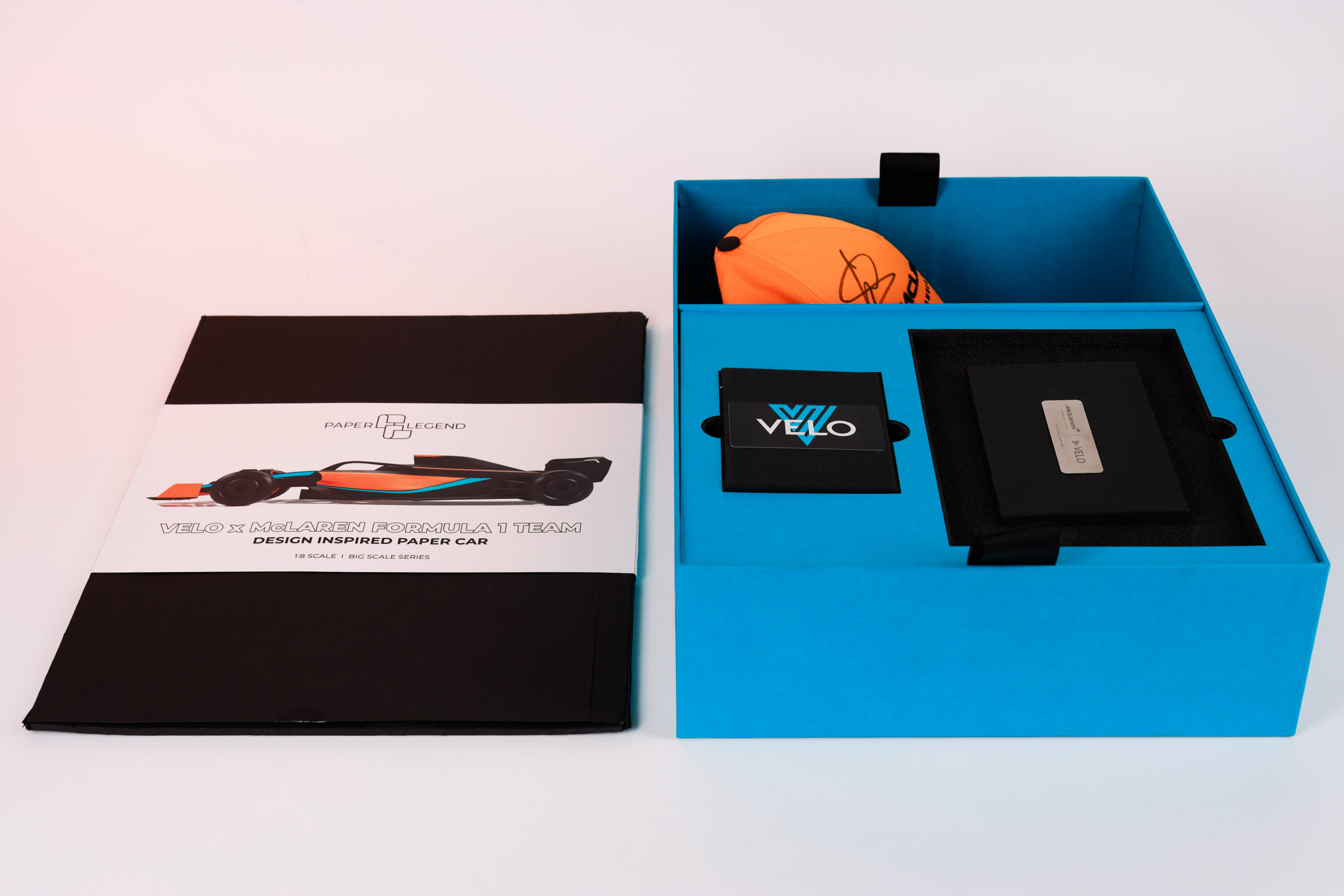
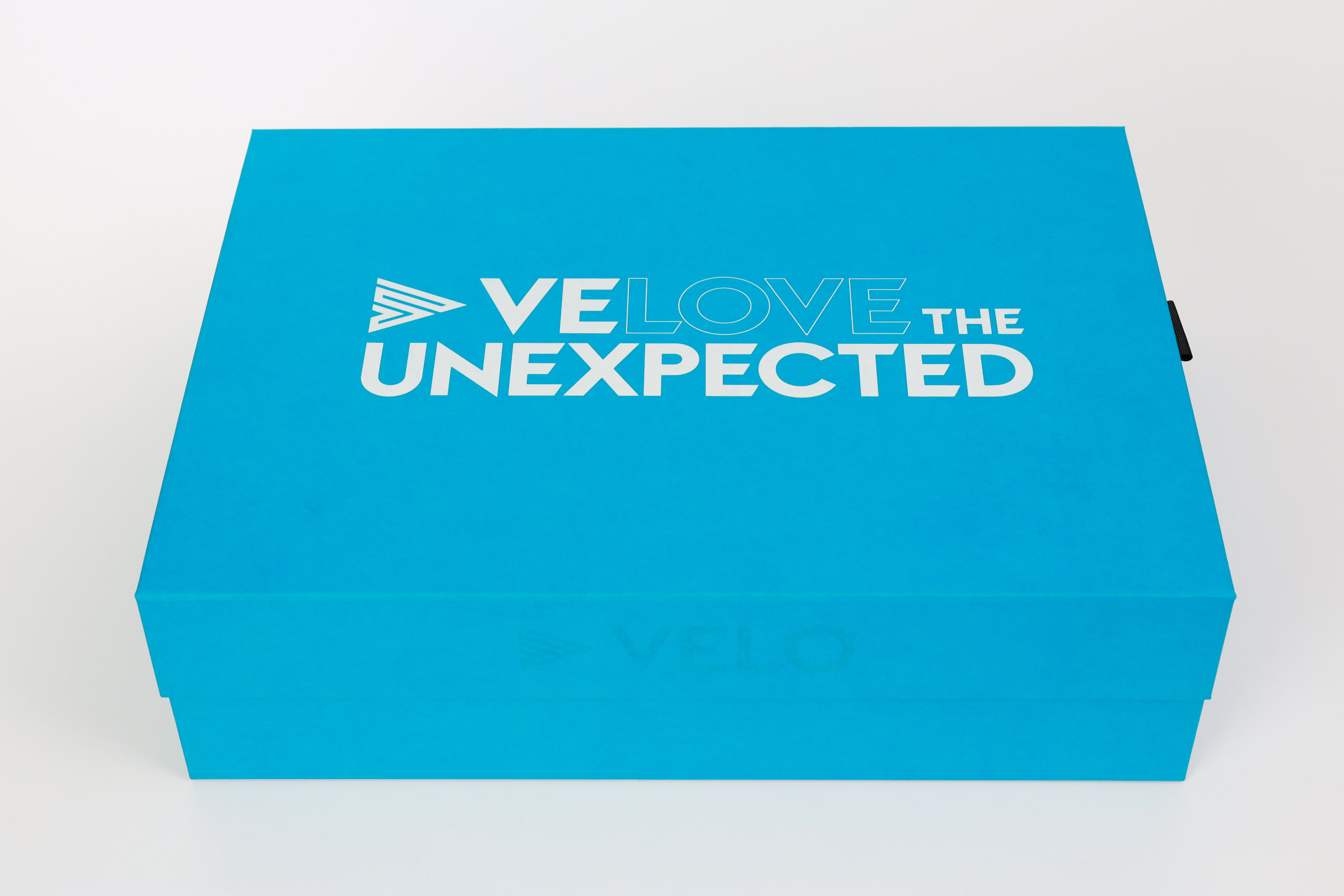
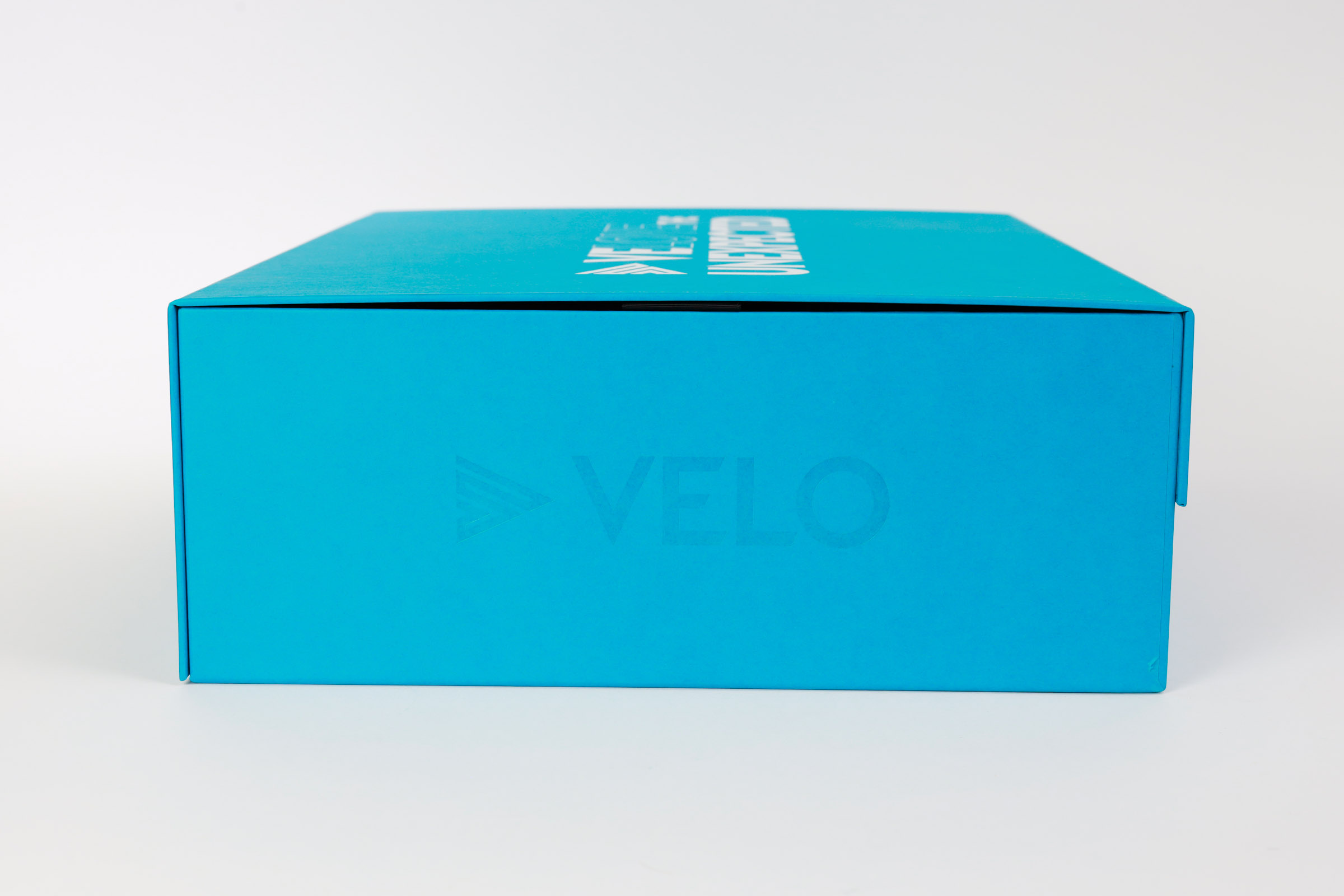
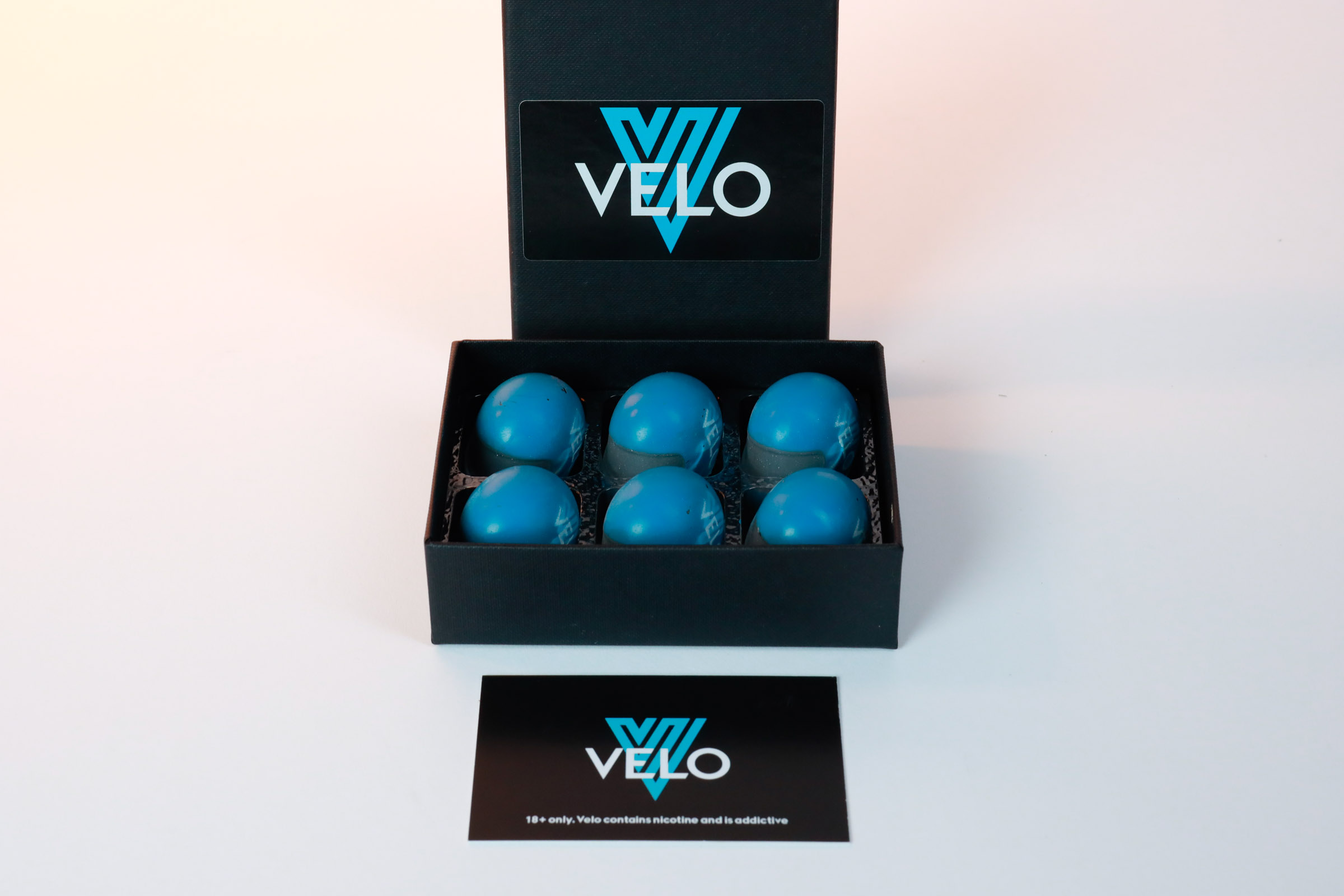
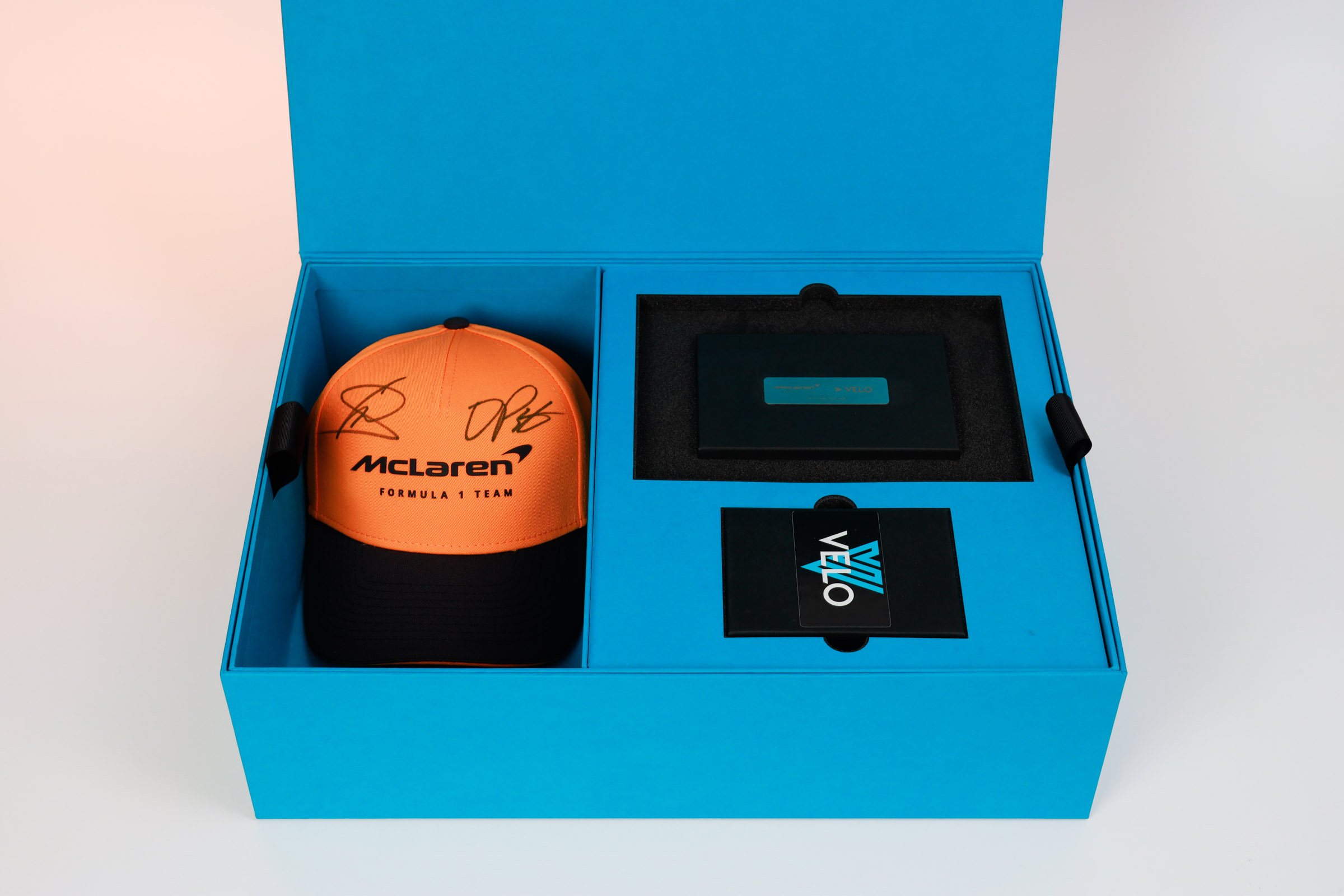
The project was accompanied by a range of collateral, including a premium presentation box for the origami sculpture and a selection of branded apparel and gifts, all designed to reflect the same design-led thinking found in both Formula 1 engineering and paper craft.